Article
The best time for Umrah depends on your personal priorities—whether you value cooler weather, smaller crowds, lower costs, or a more spiritually intimate experience. For Pakistani travelers planning their first pilgrimage, understanding how each season affects your journey can make the difference between a stressful trip and a deeply rewarding one.
In this guide, we break down what to expect during every season of the Islamic calendar, compare practical factors like weather and pricing, and help you choose the ideal window for your sacred journey.
When Is Umrah Allowed?
Unlike Hajj, which has fixed dates in Dhul-Hijjah, Umrah can be performed at any time of the year. This flexibility is both a blessing and a challenge—there is no single "right" month, but there are certainly better windows depending on your goals. The Saudi Ministry of Hajj and Umrah issues permits year-round, though certain periods see higher demand, stricter quotas, and inflated prices.
Spring (Rabi' al-Thani to Jumada al-Akhirah): Mild Weather and Manageable Crowds
Spring is widely considered one of the most comfortable seasons for Umrah. Daytime temperatures in Mecca and Medina hover between 25°C and 35°C, making the long walks between rituals far more bearable than in peak summer.
Crowd levels during spring are moderate. You will encounter pilgrims, but the sacred sites rarely feel overwhelming. Hotel rates remain reasonable before the Ramadan surge, and flight availability from major Pakistani cities like Karachi, Lahore, and Islamabad is typically good.
Key advantages of spring Umrah:
- Pleasant temperatures for outdoor rituals
- Moderate hotel pricing
- Easier access to the Rawdah in Medina
- Good flight connections from Pakistan
Summer (Rajab to Sha'ban): Low Costs but Extreme Heat
Summer offers the most budget-friendly Umrah packages, but it comes with a significant trade-off: extreme heat. Mecca's temperatures regularly exceed 45°C, and the midday sun can be physically draining, especially for elderly pilgrims or those with health conditions.
If you choose summer, plan your Tawaf and Sa'i for early morning or after Maghrib. Stay hydrated, wear lightweight white ihram clothing, and select accommodation within walking distance of the Haram to minimize sun exposure.
Despite the heat, summer has its advantages. Crowds are noticeably thinner, which means shorter waiting times for prayers and easier movement inside the Grand Mosque. Many Pakistani families with school-aged children also prefer summer due to vacation schedules.
Ramadan: The Most Spiritually Rewarding Month
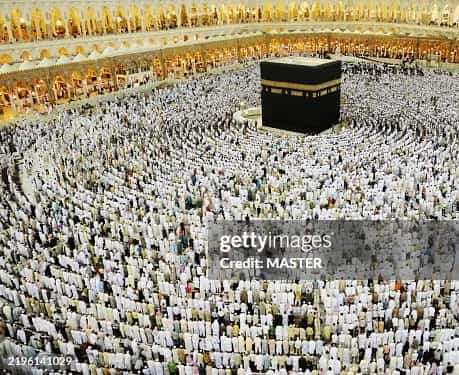
Performing Umrah during Ramadan carries immense spiritual weight. The Prophet Muhammad (peace be upon him) said that an Umrah in this month is equivalent to Hajj in reward. Not surprisingly, this is the busiest time of the year.
If your primary goal is spiritual elevation, Ramadan is unmatched. The atmosphere in the Haram is electric—Taraweeh prayers, collective iftars, and the Night of Decree (Laylat al-Qadr) create an unforgettable experience. However, you must prepare for:
- Significantly higher costs—hotels and flights can cost double or triple compared to off-peak months
- Dense crowds—especially during the last ten nights
- Limited availability—book packages at least 3–4 months in advance
For first-time pilgrims, Ramadan can be overwhelming. If you are traveling with elderly parents or young children, consider whether the physical and financial demands align with your family's capacity.
Dhul-Qa'dah and Early Dhul-Hijjah: The Quiet Window
The weeks leading up to Hajj are often overlooked, yet they offer one of the calmest Umrah experiences. As pilgrims begin arriving for Hajj, the focus shifts, and Umrah-specific visitors thin out. This period is ideal if you prefer solitude and reflection.
Be aware that the Hajj season brings its own restrictions. Certain routes and services may be redirected, and the last week of Dhul-Qa'dah sees the arrival of Hajj pilgrims. Plan your departure before the Hajj rituals begin if you wish to avoid disruption.
Muharram and Safar: The Budget-Friendly Off-Season
The Islamic months immediately following Hajj are among the least crowded times for Umrah. Temperatures begin cooling, especially from late Safar onward, and prices drop to their lowest annual levels.
This is the best time for Umrah if you are a cost-conscious traveler or prefer a quiet, contemplative atmosphere. The downside is that some secondary services—such as certain ziyarat tours or restaurant hours—may operate on reduced schedules.
Season-by-Season Comparison
Table
| Factor | Spring | Summer | Ramadan | Post-Hajj (Muharram–Safar) |
|---|---|---|---|---|
| Weather | Mild (25–35°C) | Extreme heat (40–50°C) | Warm (30–40°C) | Cooling (20–35°C) |
| Crowd Level | Moderate | Low | Very high | Very low |
| Average Cost | Medium | Low | Very high | Lowest |
| Spiritual Atmosphere | Peaceful | Quiet | Exceptional | Serene |
| Best For | First-timers, families | Budget travelers, flexible schedules | Devotion seekers | Quiet reflection, savings |
Practical Tips for Pakistani Travelers
- Book early for peak seasons. Ramadan and school holiday periods fill up months in advance.
- Choose your airline wisely. Direct flights from Karachi, Lahore, and Islamabad to Jeddah reduce transit fatigue. Saudia and Pakistan International Airlines offer reliable connections.
- Pack for the season. Lightweight, breathable ihram fabrics are essential for summer. A small portable fan and electrolyte packets can prevent heat exhaustion.
- Consider travel insurance. Coverage for medical emergencies and trip cancellations is especially valuable during high-demand seasons.
- Learn basic Arabic phrases. While Urdu and English are widely understood, simple greetings and directional terms enrich your interactions.