
Article
For many Muslims, the first journey to Makkah is unlike any other experience. It's a journey full of excitement, gratitude, and sometimes a little nervousness. Along with getting ready spiritually, first-time pilgrims often have practical questions. What documents are required? How do you perform the rituals correctly? These are common concerns, specifically for those traveling from Pakistan for the first time.
A dependable Umrah guide can remove much of that uncertainty. When you know what to expect before you leave home, you can spend less time stressing about travel arrangements and more time focusing on your worship. Good preparation also helps you avoid common mistakes that many first-time pilgrims only discover after arriving in Saudi Arabia.
Whether you're travelling on your own, with your partner, or with elderly parents and children, understanding each stage of the journey makes the experience smoother. From selecting the right bundle to gaining knowledge of the rituals of Umrah, every small step contributes to a more peaceful pilgrimage.
This guide walks you through the whole process in simple language, helping you prepare with confidence before you start this blessed adventure.
Preparing for Your First Umrah Adventure
Many people begin planning just a few weeks before departure, but preparing early gives you more options, lower costs, and fewer last-minute issues. A little planning before your journey can save you a great deal of stress later.
Pick an Umrah package that matches your needs
The first selection you should make is deciding on an Umrah package. While it's tempting to pay attention only to price, cost and comfort are equally essential, especially in case you're travelling with family.
Maximum tour organizations provide several categories, including Economy, 3-Star, and 5-Star packages. Every option includes the fundamental services needed for Umrah. However, the stage of accommodation, shipping, and lodge vicinity varies.
Earlier than reserving, compare multiple travel agencies and ask for a whole breakdown of what is included. A reliable package normally covers:
- Go back airfare
- Umrah visa processing
- Hotel lodging in Makkah and Madinah
- Airport transfers
- Transport between the two holy cities
Some companies additionally include guided Ziyarat excursions, meals, or devoted group leaders who help pilgrims throughout the journey.
Do not pick a bundle surely because it's the cheapest. A hotel placed tons toward the Haram might also save you hours of taking walks during your stay, making your experience considerably greater at ease.
Organise your files earlier than departure.
One of the simplest ways to avoid problems is to prepare your paperwork well in advance.
Create a folder containing all of your vital documents and keep both printed and digital copies.
Your travel documents should typically include:
- A valid passport
- Confirmed flight details
- Hotel booking confirmation
- Umrah visa documentation
- National identification documents
- Vaccination certificates if required under current regulations
It is also sensible to save electronic copies on your phone and email them to yourself as a backup.
Double-check expiry dates before booking your flights. Something as simple as an expired passport can delay your entire journey.
Examine the Umrah Rituals earlier than your tour.
Many first-time pilgrims make the error of learning the rituals only after arriving in Saudi Arabia. While courses and group leaders are available, understanding the process in advance allows you to perform each act of worship with more confidence and peace of mind.
A simple Umrah guide should help you understand the sequence of the pilgrimage without making it feel complicated.
The primary stages include:
Entering the State of Ihram
Before crossing the specified Miqat, pilgrims enter the sacred state of Ihram.
For men, this involves wearing two simple white unstitched garments, while women wear modest Islamic clothing that fulfils the requirements of hijab.
Once in Ihram, pilgrims avoid certain actions until Umrah is completed, allowing them to enter the pilgrimage with humility and devotion.
Reciting the Talbiyah
This beautiful statement reminds each believer that they have answered Allah's call.
Learning the Talbiyah before departure allows you to recite it confidently throughout your journey.
Performing Tawaf
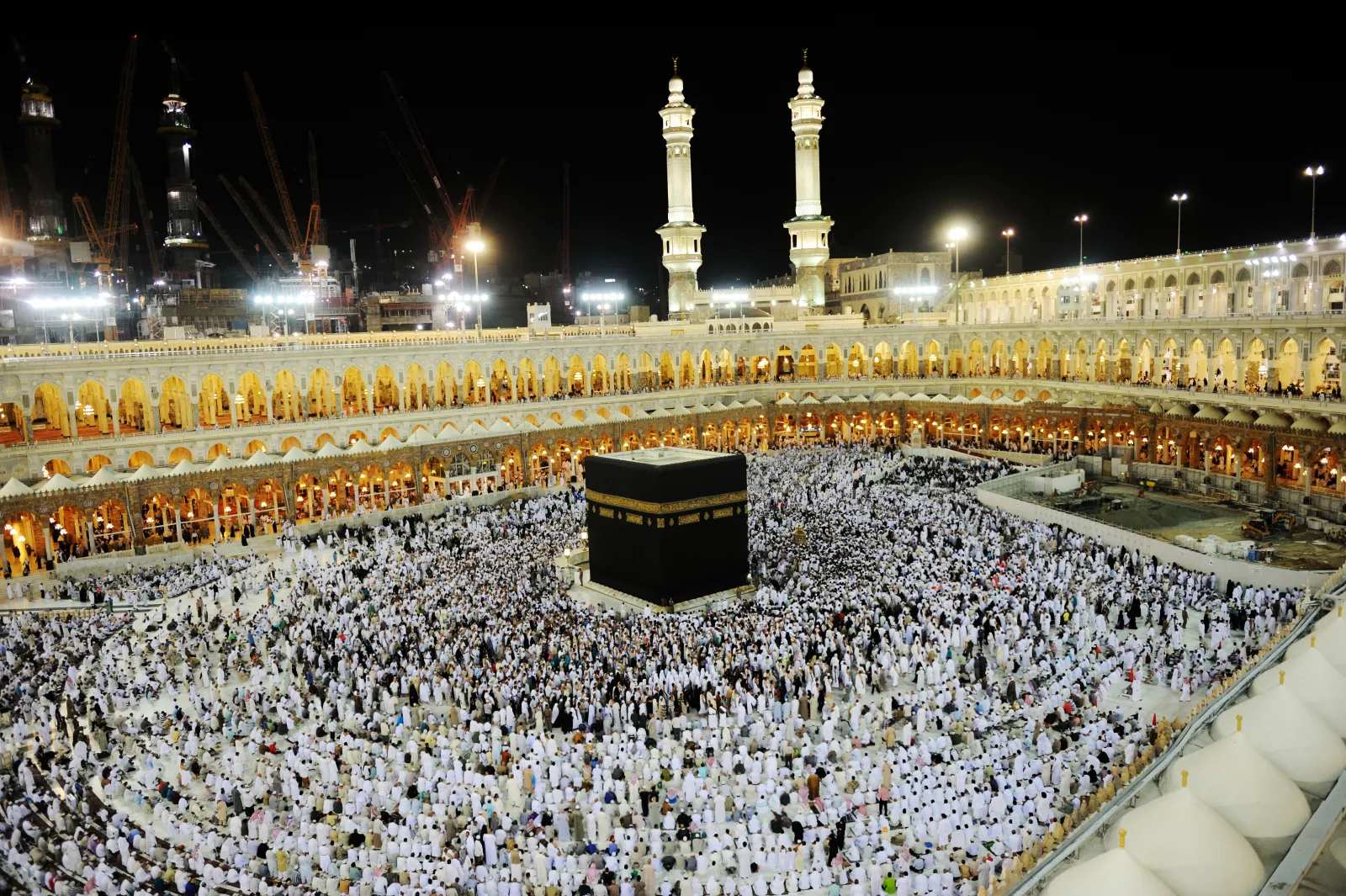
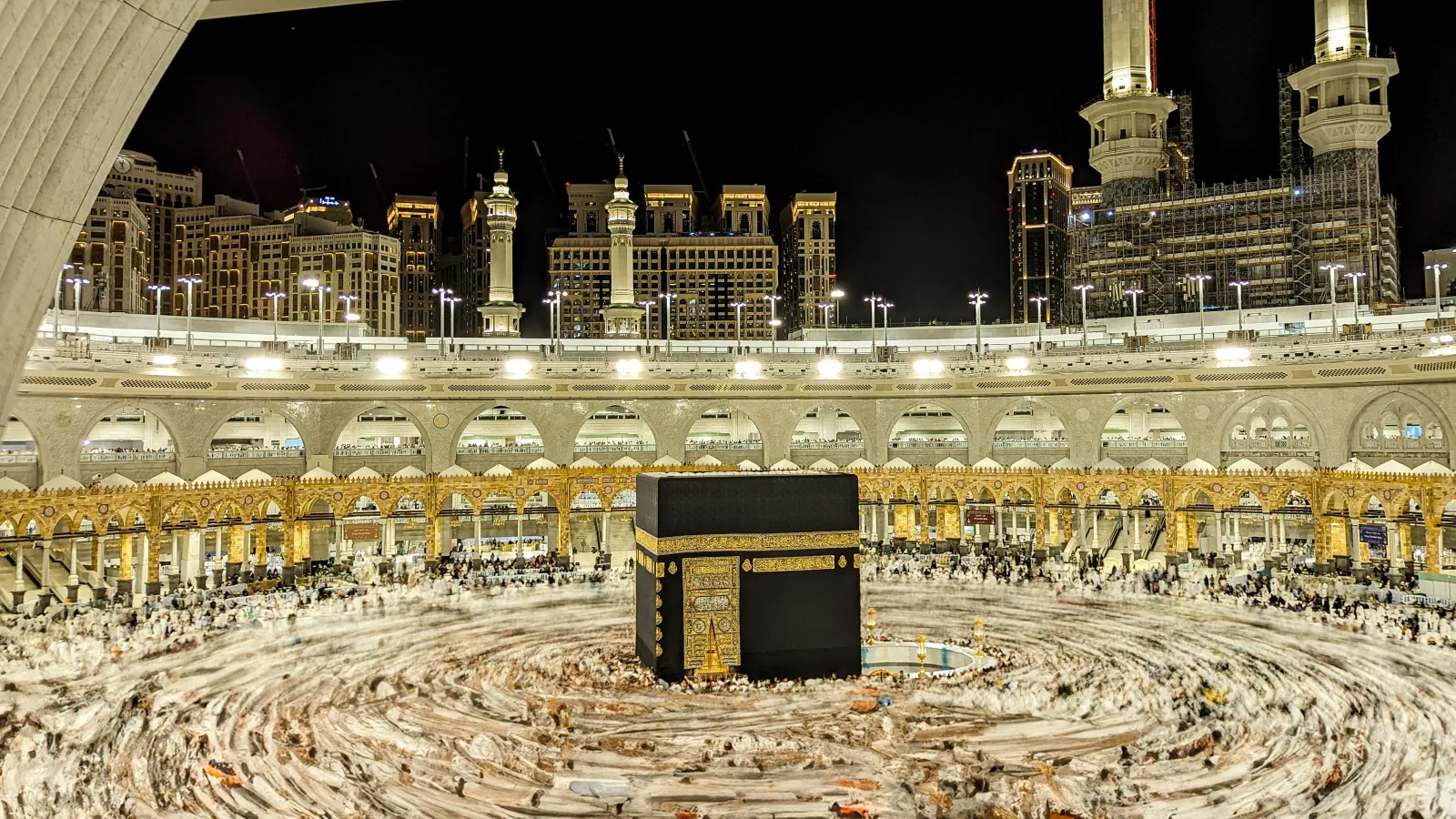
After reaching Masjid al-Haram, pilgrims perform Tawaf by walking around the Holy Kaaba seven times in an anti-clockwise direction.
The place can be extremely busy, especially during Ramadan and school holidays. There is no need to rush. Walk calmly, remain patient, and focus on your prayers instead of the surrounding crowds.
Many first-time pilgrims fear making mistakes, but remembering that millions of Muslims perform Tawaf every year with sincerity should give you confidence.
Finishing Sa'i
Although the distance may seem long, modern walkways make the journey comfortable for most pilgrims.
Halq or Taqsir
The final stage of Umrah is trimming or shaving the hair.
Men commonly shave their heads completely or shorten their hair, while women trim a small portion of their hair.
With this final step completed, the state of Ihram comes to an end, marking the completion of Umrah.
Understanding every ritual before travelling transforms the pilgrimage from a series of unfamiliar actions into a deeply meaningful spiritual experience.
Packing and preparing for lifestyles in Saudi Arabia
Packing for Umrah isn't about taking as much luggage as possible. In truth, experienced pilgrims frequently say that travelling light makes the journey a great deal simpler.
Due to the fact that you may spend a lot of your time walking between your hotel and the Haram, carrying unnecessary items only creates inconvenience.
Staying Healthy and Making the Most of Your Umrah
Being ready spiritually is essential, but looking after your fitness is just as vital. Umrah involves a lot of walking, in particular across the Haram and during Sa'i. The climate in Saudi Arabia can also be a lot hotter than many parts of Pakistan, so taking some easy precautions allows you to stay comfy during your journey.
Simple Health Tips Each Pilgrim Needs to Follow
You don't want pricey tour equipment to stay healthy during Umrah. Good habits frequently make the most important difference.
Begin by drinking water frequently, even if you do not experience thirst. Long hours of walking and warm temperatures can quickly lead to dehydration. Carrying a reusable water bottle makes it less complicated to stay hydrated during the day.
Comfy footwear is another necessity. You may spend several hours on your feet, so select shoes or sandals that you've already worn before your journey.
Although pharmacies are widely available in Saudi Arabia, it's constantly better to have your regular medicines with you.
Other practical tips include:
- Eat balanced meals rather than skipping meals to save time.
- Get enough sleep whenever possible.
- Avoid pushing through crowds except when absolutely necessary.
Looking after your fitness allows you to perform every act of worship with extra ease and awareness.
Respect Local Customs and Etiquette
Simple acts of kindness, together with allowing others to pass, supporting elderly pilgrims, or keeping shared spaces clean, reflect the proper spirit of Islam.
While journeying to the holy cities, it's also crucial to follow instructions given by the mosque staff and security personnel. Their function is to keep pilgrims secure, in particular during busy periods.
A respectful attitude not only makes your personal journey more peaceful but also contributes to a better experience for everybody around you.
Spending Time in Madinah
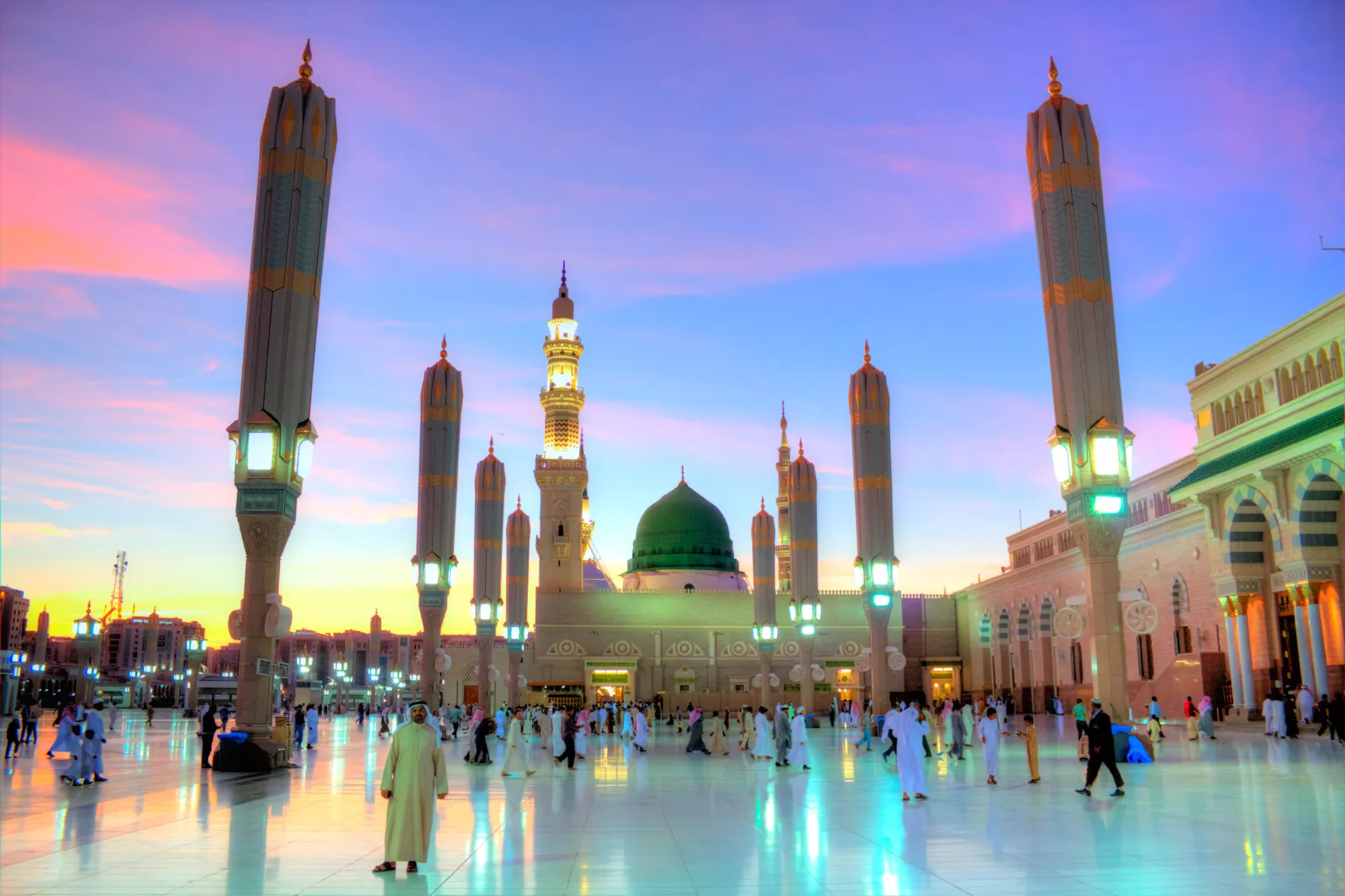
For plenty of pilgrims, the visit to Madinah becomes one of the most memorable parts of the entire adventure. Even though it isn't one of the rituals of Umrah itself, spending time inside the metropolis of the Prophet ﷺ offers a completely unique possibility for reflection, gratitude, and worship.
The non violent ecosystem of Madinah feels very specific from the busy surroundings of Makkah. Many pilgrims choose to spend extra time in prayer, analyzing the Qur'an, and making dua at some stage in their stay.
Places typically Visited in Madinah
Most travel itineraries include visits to several famous Islamic landmarks.
These often include:
- Masjid Qiblatain
- Mount Uhud
- Jannat al-Baqi (subject to local access rules)
- Masjid an-Nabawi
- Quba Masjid
Instead of trying to visit every historic site, focus on making your stay spiritually meaningful. Spending quiet moments in worship often leaves a deeper impression than rushing from one location to another.
If your package includes guided Ziyarat tours, listen carefully to your guide and follow the schedule provided by your group leader.
Commonplace errors First-Time Pilgrims should avoid
Each 12 months, many first-time travellers make comparable mistakes now not due to the fact they lack sincerity, but clearly because they don't know what to anticipate.
Getting to know from the studies of others will let you avoid pointless pressure at some point of your very own adventure.
Small errors that may affect your enjoy
One common mistake is leaving everything till the last minute. Booking late frequently means fewer hotel selections, higher airfare, and increased travel expenses.
Another mistake is overpacking. Big suitcases packed with unnecessary items quickly become inconvenient, mainly when moving between airports, hotels, and transport.
Some pilgrims also spend too much time shopping and too little time making the most of their time in the holy cities. While buying presents is perfectly fine, don't forget why you travelled in the first place.
Other mistakes to avoid include:
- Forgetting important travel documents
- Wearing uncomfortable footwear
- Ignoring hydration during warm weather
- Carrying large amounts of cash
- Rushing through Tawaf or Sa'i
- Relying entirely on others without learning the rituals ahead
A bit of preparation before departure can prevent many of those problems.
Practical Recommendations for a Peaceful Umrah
Each pilgrim's experience is unique, but some simple habits could make your journey more worthwhile.
Make the Most of Every Moment
Before leaving Pakistan, prepare a personal list of duas you need to make during your stay. Many pilgrims later realize they forgot important prayers because they trusted memory alone.
Delays, queues, and busy walkways are all a part of the experience, particularly during busy seasons.
Keep your valuables secure but avoid carrying more than you need every day. A small cross-body bag is normally enough for your phone, identification, and a few essentials.
If you're travelling with a group, save your guide's telephone number and agree on meeting points in case anyone becomes separated.
The best benefit comes from sincere worship, quiet reflection, and strengthening your relationship with Allah.
Final Thoughts
Keep in mind that no journey is completely free of unexpected moments. Flights may be delayed, crowds may be larger than expected, or plans may change. Approaching these situations with patience and gratitude is itself an act of worship.
If this is your first Umrah, trust your preparation, seek guidance whenever needed, and focus on making each prayer and every moment meaningful.
Ameen.